
As temperatures drop, it’s natural to want to keep the windows shut and the heat in…
But cooking, showering and drying clothes all add moisture to the air, according to the Property Care Association (PCA).
And if it can’t escape, this moisture may contribute to condensation and mould.
Now the PCA is offering practical advice to householders, including on ventilation, by using extractor fans, keeping air moving and managing moisture while keeping your home warm, for example.
The latest English Housing Survey found that 7.7 million households (31 per cent) reported that they had an issue with condensation, damp or mould in their home.
Surveyors recorded a serious damp problem in six per cent of homes in England between 2024 and 2025 – this equates to around 1.4 million homes.
According to the PCA, there are many simple ways to reduce moisture.
Small changes to your daily routine can help manage moisture and improve airflow.
Thes include using extractor fans when cooking or showering and leave them running for a while afterwards if they have a timer.
Drying clothes outside when possible is also important – but if you do need to dry them indoors, it is important to try to do so within a well-ventilated room.
Keep kitchen and bathroom doors closed while cooking or bathing, so moisture doesn’t spread through the home, and use pan lids when cooking.
Householders should also open window vents, if they have them.
Another tip is to leave a little space between furniture and external walls to help air circulate.
Good ventilation doesn’t mean leaving windows open all day or losing valuable heat: the aim is to let fresh air in and excess moisture out.
But how do you know whether you have condensation or damp?
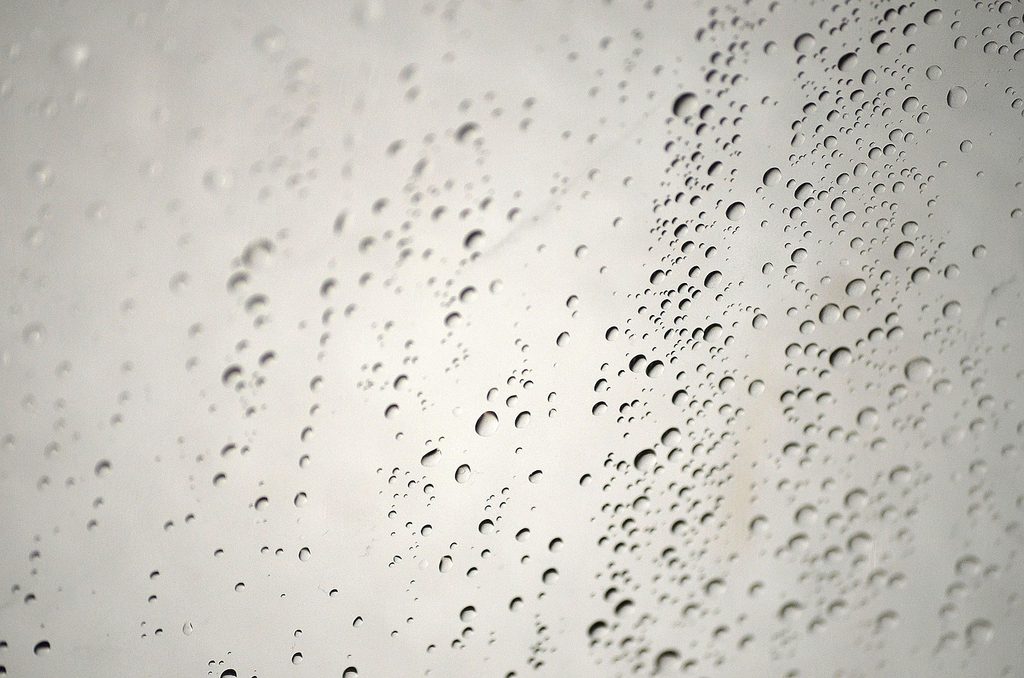
Condensation is common – it can show up as water droplets on windows or walls, or mould around windows and behind furniture, particularly on external walls.
And improving ventilation and managing moisture can help.
But damp has other possible causes…
Rising damp may leave a tide mark or salt deposits low down on a wall.
Penetrating damp can be linked to defects such as a leaking gutter, damaged roof covering or cracked pointing.
Householders in rental properties should contact their landlord or agent if they suspect the building has damp.